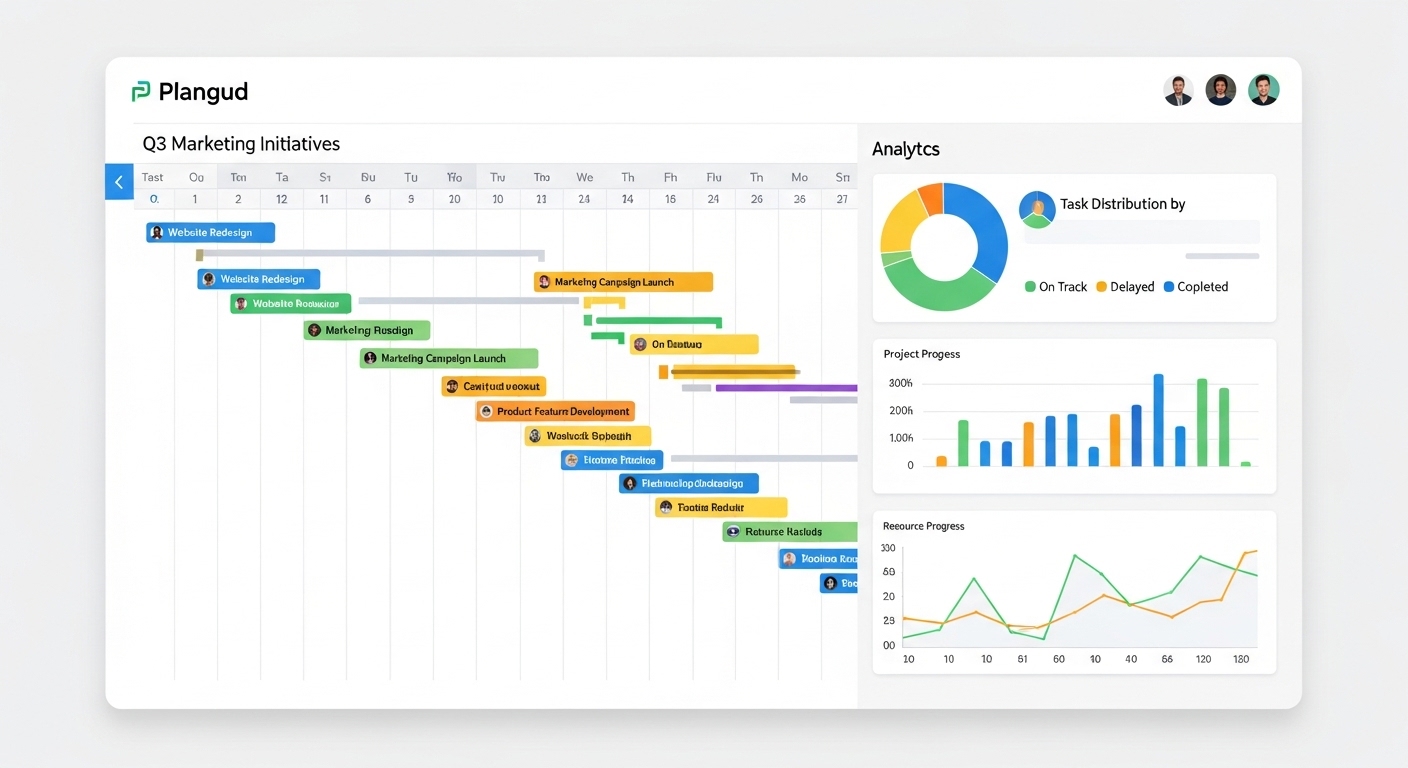











Imagine this: It’s 2026, and your boardroom is buzzing with decisions that could make or break your company’s next quarter. But instead of drowning in spreadsheets and siloed reports, you glance at a single dashboard that reveals everything from supply chain hiccups to customer satisfaction trends in real time. That’s the power of EO PIS, the game-changing framework that’s helping leaders cut through the noise and drive smarter strategies.
Introduction to EO PIS
EO PIS, short for Enterprise Operations Performance Information System (or sometimes Executive Operations Performance Information System), is essentially a unified platform that pulls together key performance data from across your organization. Think of it as the CEO’s command center: a tool that transforms raw numbers into actionable insights, bridging the gap between day-to-day operations and big-picture goals. In a world where data overload is the norm, EO PIS simplifies things by focusing on what matters most for data-driven decision making.
Why does this matter now? Businesses today face rapid changes, from supply chain disruptions to shifting market demands. According to recent insights, companies using advanced performance systems like EO PIS can improve operational efficiency by up to 20 percent, allowing executives to spot issues early and allocate resources more effectively. It’s not just tech jargon; it’s a practical way to achieve operational excellence without getting bogged down in details.
For corporate executives and operations managers, EO PIS offers a fresh lens on organizational efficiency. It goes beyond basic KPI tracking by integrating elements of business intelligence (BI) and executive dashboards, ensuring that every decision is backed by solid, real-time data.
How EO PIS Works
At its core, EO PIS aggregates data from various sources, like your ERP system, CRM tools, and even external market feeds, into one cohesive view. Picture it like a GPS for your business: It doesn’t just show where you are, it predicts roadblocks ahead and suggests the fastest route.
The process starts with data collection. Sensors, software, and manual inputs feed into the system, capturing performance metrics such as revenue growth, employee productivity, and inventory turnover. Then comes analysis, where algorithms highlight trends and anomalies. Finally, visualization tools, often in the form of interactive dashboards, present this information in easy-to-digest formats, like charts or heat maps.
For example, if your sales team is underperforming in a region, EO PIS might flag it by comparing current KPIs against historical benchmarks. This allows IT decision-makers to integrate it seamlessly with existing systems, avoiding costly overhauls.
Here’s a simple breakdown of the EO PIS workflow:
- Data Integration: Pulls from multiple sources for a holistic view.
- Real-Time Monitoring: Updates metrics instantly to reflect changes.
- Predictive Analytics: Uses AI to forecast outcomes based on patterns.
- Custom Reporting: Tailors insights to specific roles, like finance or operations.
In practice, implementing EO PIS involves choosing software that aligns with your needs. Popular options include platforms from SAP or Oracle, which offer robust EO PIS-like features for enterprise operations. For smaller businesses, cloud-based tools make it accessible without massive upfront costs.
Benefits of EO PIS in Enterprise Management
Adopting EO PIS isn’t just about keeping up; it’s about pulling ahead. One major perk is enhanced data-driven decision making. Executives no longer rely on gut feelings; they have concrete evidence to guide strategies, leading to better resource allocation and reduced waste.
Take operational excellence: By tracking performance metrics in real time, companies can identify bottlenecks quickly. A manufacturing firm, for instance, might use EO PIS to monitor machine downtime, cutting losses by 15 percent through proactive maintenance. This ties directly into organizational efficiency, where streamlined processes free up teams to focus on innovation rather than firefighting.
Another advantage is improved executive oversight. With executive dashboards, leaders get a bird’s-eye view without micromanaging. It’s like having a trusted advisor whispering key insights during meetings.
For business analysts, EO PIS shines in KPI tracking. It allows for setting benchmarks and measuring progress, ensuring alignment with goals. In one case study from a retail chain, integrating EO PIS with their ERP system boosted inventory accuracy by 25 percent, directly impacting the bottom line.
| Benefit | Description | Impact on Business |
|---|---|---|
| Data-Driven Decisions | Provides real-time insights for strategic choices | Reduces risks, increases agility |
| Operational Efficiency | Automates monitoring of key processes | Cuts costs by 10-20% on average |
| Resource Allocation | Highlights where to invest time and money | Improves ROI on projects |
| KPI Tracking | Tracks progress against targets | Ensures goal alignment across teams |
These benefits make EO PIS a must-have for enterprises aiming for long-term success.
Implementing EO PIS for Small Businesses
You might think EO PIS is only for big corporations, but small businesses can benefit too. Start small: Assess your current systems and identify gaps in performance data. Then, select user-friendly EO PIS software solutions that scale with growth, like affordable cloud options from providers such as IBM or custom BI tools.
Integration is key. For instance, linking EO PIS with your existing ERP might involve a few weeks of setup, but the payoff is immediate. Train your team on the dashboards to ensure buy-in; think of it as teaching them to read a new map that leads to treasure.
Common challenges include data silos or resistance to change. Overcome these by starting with a pilot program in one department, proving value before full rollout. In 2026, with AI advancements, EO PIS implementations are becoming even simpler, often with plug-and-play features.
EO PIS Software Solutions for 2026
As we look ahead, EO PIS software is evolving rapidly. Leading solutions emphasize AI-driven analytics and seamless integration. For example, Oracle’s EPM suite offers comprehensive tools for performance metrics and forecasting, ideal for mid-sized firms. SAP’s platform stands out for its focus on real-time data tracking, helping with everything from financials to operations.
For those seeking specialized options, custom EO PIS systems from vendors like IBM provide tailored executive dashboards. Key features to look for in 2026 include mobile access, predictive modeling, and cybersecurity enhancements.
When choosing, consider scalability and cost. Open-source alternatives can work for startups, while enterprises might opt for premium suites. A good EO PIS solution should integrate effortlessly with tools like Microsoft Power BI for advanced visualization.
How to Integrate EO PIS with Existing ERP
Merging EO PIS with your ERP doesn’t have to be a headache. Begin by mapping data flows: Identify which ERP modules (like finance or HR) will feed into EO PIS. Use APIs for smooth connections, ensuring data syncs without manual intervention.
A real-world example: A logistics company integrated EO PIS with their SAP ERP, resulting in 30 percent faster reporting cycles. This setup allowed for better oversight of supply chains, turning potential delays into opportunities.
Tips for success: Involve IT decision-makers early, test integrations thoroughly, and monitor for data accuracy. With the right approach, this fusion amplifies both systems’ strengths.
Improving Executive Oversight with EO PIS
EO PIS elevates leadership by providing clarity amid complexity. Executives can drill down into specifics or zoom out for trends, fostering proactive management. It’s like upgrading from a flashlight to a spotlight on your business’s health.
In action, this means spotting revenue dips before they escalate or reallocating budgets based on live data. For operations managers, it streamlines oversight, reducing meeting times and boosting collaboration.
Real-Time Data Tracking via EO PIS
The magic of EO PIS lies in its real-time capabilities. No more waiting for monthly reports; updates happen as events unfold. This is crucial for dynamic industries like tech or retail, where delays cost money.
Using sensors and IoT integrations, EO PIS captures data instantly, alerting users to deviations. A healthcare provider, for example, used it to track patient flow, improving wait times by 40 percent.
Real-World Applications and Case Studies
Let’s ground this in reality. A mid-sized manufacturing firm adopted EO PIS to overhaul their supply chain. By tracking KPIs in real time, they reduced stockouts by 35 percent and improved supplier relations.
In finance, a bank integrated EO PIS for better risk assessment, using predictive analytics to foresee market shifts. Results? A 15 percent uptick in portfolio performance.
For a nonprofit, EO PIS helped optimize donor funds through efficient resource allocation, proving its versatility beyond corporate walls.
If we were to include a chart here, imagine an infographic showing a before-and-after comparison: Siloed data versus unified EO PIS views, with arrows indicating efficiency gains.
Common Misconceptions About EO PIS
Some think EO PIS is too complex for non-techies, but modern interfaces are intuitive, like using a smartphone app. Another myth: It’s expensive. Actually, scalable solutions fit various budgets, with ROI often realized within months.
EO PIS isn’t a replacement for human judgment; it enhances it, providing tools to make better calls.
Conclusion and Practical Tips
In summary, EO PIS empowers leaders to navigate complexity with confidence, fostering data-driven cultures that thrive on efficiency and insight. Key points: It unifies data for better decisions, boosts operational excellence, and scales with your business.
Ready to get started? First, audit your current data systems. Then, pilot a small EO PIS implementation. Finally, train your team and iterate based on feedback. What will you try first? Share your thoughts in the comments or reach out for a consultation.
FAQs
What exactly is EO PIS?
EO PIS stands for Enterprise Operations Performance Information System, a framework that consolidates operational data for executive insights.
How does EO PIS differ from traditional BI tools?
While BI focuses on analysis, EO PIS emphasizes real-time executive oversight and strategic alignment.
Can small businesses afford EO PIS?
Yes, cloud-based solutions make it accessible, with options starting at low monthly fees.
What are the risks of not using EO PIS?
Without it, companies may miss trends, leading to inefficient resource allocation and slower growth.
How long does EO PIS implementation take?
Typically 4-12 weeks, depending on integration complexity.
Is EO PIS secure for sensitive data?
Modern systems include robust encryption and compliance features to protect information.
How can EO PIS improve team collaboration?
By providing shared dashboards, it aligns departments on common goals and metrics.